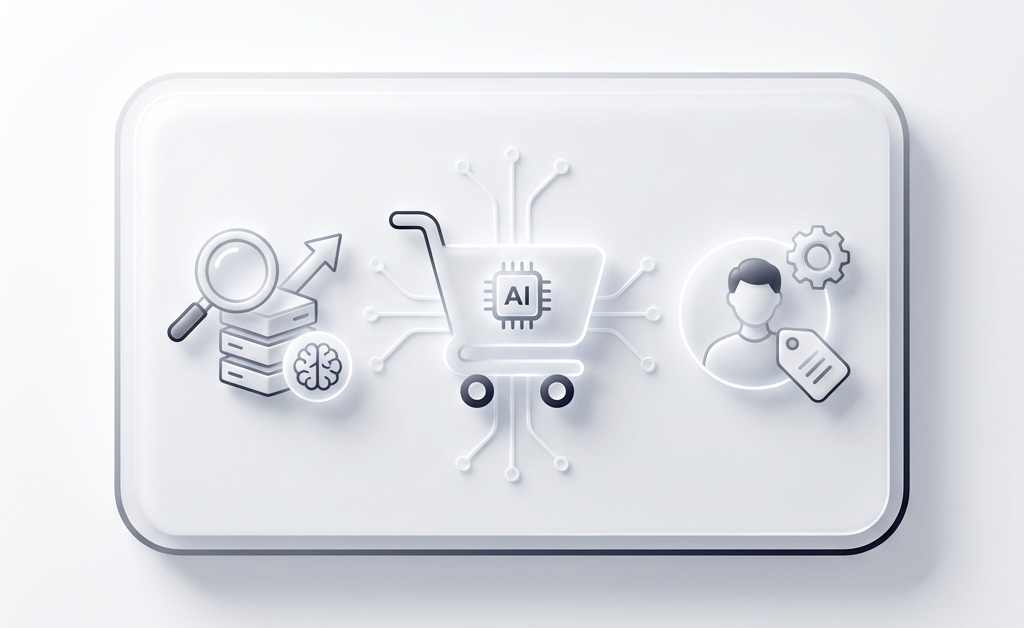
Optimizing E-commerce with AI: From Personalization to Predictive Analysis

· 2 min read

Optimizing E-commerce with AI: From Personalization to Predictive Analysis

In today’s fast-paced digital marketplace, e-commerce businesses must adapt quickly to remain competitive. With the rise of advanced technologies like artificial intelligence (AI), optimizing e-commerce platforms has never been more achievable or crucial. From offering personalized shopping experiences to harnessing predictive analytics, AI holds the key to revolutionizing how businesses interact with consumers and manage operations.

The Importance of Personalization in E-commerce

Personalization in e-commerce is no longer just a luxury — it’s a necessity. Customers expect a seamless, tailored experience, and AI makes it easier than ever to meet these expectations.

  • Enhanced Customer Experience: AI-powered algorithms analyze customer behavior, preferences, and purchase history to provide personalized recommendations. This helps increase customer satisfaction and encourages repeat business.
  • Targeted Marketing: By understanding individual user preferences, AI can help businesses create more effective marketing campaigns. This targeted approach increases conversion rates and reduces customer acquisition costs.
  • Product Discovery: AI-driven personalization aids users in discovering products that match their tastes, thus improving their shopping experience and fostering brand loyalty.

The Role of Predictive Analytics in E-commerce

Predictive analytics utilizes AI to forecast future trends based on historical data. For e-commerce platforms, these insights can be transformative.

  • Inventory Management: Predictive analytics can forecast product demand with high accuracy, helping businesses manage their inventory efficiently and avoid overstocking or stockouts.
  • Sales Forecasting: By analyzing past sales data, AI can predict future sales trends, allowing businesses to strategize effectively and make informed decisions.
  • Customer Retention: AI identifies at-risk customers through their engagement patterns, helping businesses intervene with targeted retention strategies, such as personalized offers or re-engagement campaigns.

Implementing AI in Your E-commerce Strategy

Integrating AI into your e-commerce operations can seem daunting, but breaking it down into manageable steps can simplify the process.

  • Start with Data: Gather comprehensive data from customer interactions, sales, and market trends. AI thrives on data, and the more it has, the better it can perform.
  • Select the Right Tools: Choose AI tools that align with your business goals. Platforms like Replori offer tailor-made solutions for customer support and data analysis, specific to e-commerce needs.
  • Regularly Review and Adapt: Technology and consumer behaviors both evolve rapidly. Regularly review your AI strategies and adapt to new trends and tools to stay ahead.

Real-World Success Stories

Many businesses have successfully integrated AI into their operations, reaping substantial rewards.

For instance, a popular apparel retailer used AI to customize their email marketing campaigns, resulting in a 50% increase in click-through rates. Similarly, an electronics e-commerce platform utilized predictive analytics to manage stock more effectively, reducing their surplus inventory costs by 30%.

Conclusion: Future-Proofing Your E-commerce Business

Incorporating AI into your e-commerce strategy is not just about keeping up with trends; it’s about future-proofing your business. From enhanced personalization to precise predictive analytics, AI offers powerful tools to transform the way you connect with customers and manage your operations.

Ready to take your e-commerce store to the next level with AI? Contact Replori today and discover how our AI-powered solutions can drive your business forward.

Now accepting early access requests

Join the waiting list

Help shape the MVP.

No spam. Only early access updates.